
Preparing for Winter: ADA Remodeling Tips for Safe and Accessible Homes


Understanding ADA Requirements for Winter
As winter approaches, it's crucial to ensure that your home is not only warm and cozy but also safe and accessible for everyone. Meeting the Americans with Disabilities Act (ADA) standards can make a significant difference for individuals with disabilities. With a few thoughtful adjustments, you can create a welcoming environment for all.
Enhancing Entryways for Safety
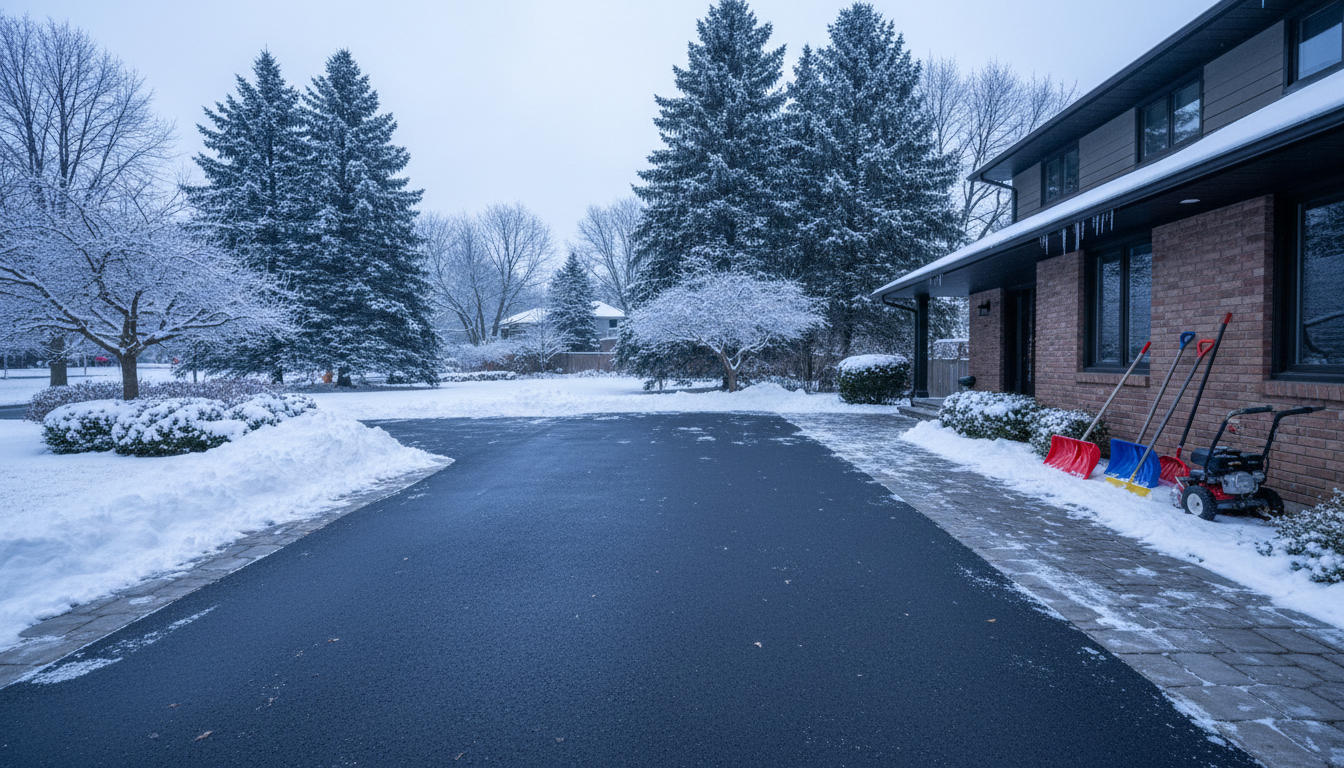
One of the first areas to focus on is the entryway. Slippery surfaces can be hazardous, so consider installing non-slip mats or textured tiles. Ensure that ramps are clear of snow and ice, and handrails are sturdy and well-maintained. Ample lighting at the entrance is essential for visibility during shorter winter days.
Improving Indoor Navigation
Inside the home, smooth navigation is key. Remove any obstacles or clutter from hallways and ensure that flooring transitions are seamless. For those using mobility aids, wider doorways can significantly improve accessibility. Consider installing lever-style handles, which are easier to use than traditional doorknobs.

Bathroom Modifications
Bathrooms can be particularly challenging, so installing grab bars in strategic locations, such as near the toilet and shower, is beneficial. Non-slip mats or textured tiles can help prevent falls. Adjustable showerheads and handheld sprayers offer greater convenience and safety for all users.
Adapting Kitchens for Independence
Kitchens should be designed with accessibility in mind. Lowering countertops and ensuring that essential items are within reach can make a big difference. Pull-out shelves and lazy Susans can help maximize storage and accessibility. Consider installing touch-sensitive faucets for ease of use.

Maintaining a Comfortable Indoor Climate
Ensuring a comfortable indoor climate during winter is essential. Programmable thermostats can help maintain an even temperature, while insulated windows and doors reduce drafts. For individuals sensitive to temperature changes, heated flooring can provide additional comfort.
Preparing for Emergencies
Winter weather can be unpredictable, so being prepared for emergencies is vital. Ensure that smoke and carbon monoxide detectors are functioning correctly. Keep emergency contact information and medical supplies easily accessible. Having a backup power source can be crucial during power outages.
Conclusion
By making these ADA-compliant modifications, you can create a home that is both safe and welcoming for everyone during the winter months. These changes not only enhance accessibility but also provide peace of mind, allowing all residents to enjoy the season comfortably and safely.