
DIY vs. Professional ADA Remodeling: What You Need to Know


When considering ADA remodeling, many homeowners face the decision between tackling the project themselves or hiring a professional. Each approach has its own set of advantages and challenges. Understanding these can help you make an informed choice that best suits your needs.
Understanding ADA Requirements
The Americans with Disabilities Act (ADA) sets out specific guidelines to ensure accessibility for individuals with disabilities. These requirements cover everything from door widths to bathroom layout. Before starting any remodeling project, it's crucial to familiarize yourself with these standards.
While DIY enthusiasts may find online resources helpful, professionals typically have a deeper understanding of these requirements and how to implement them effectively. Compliance is key, and mistakes can lead to costly revisions or even legal issues.
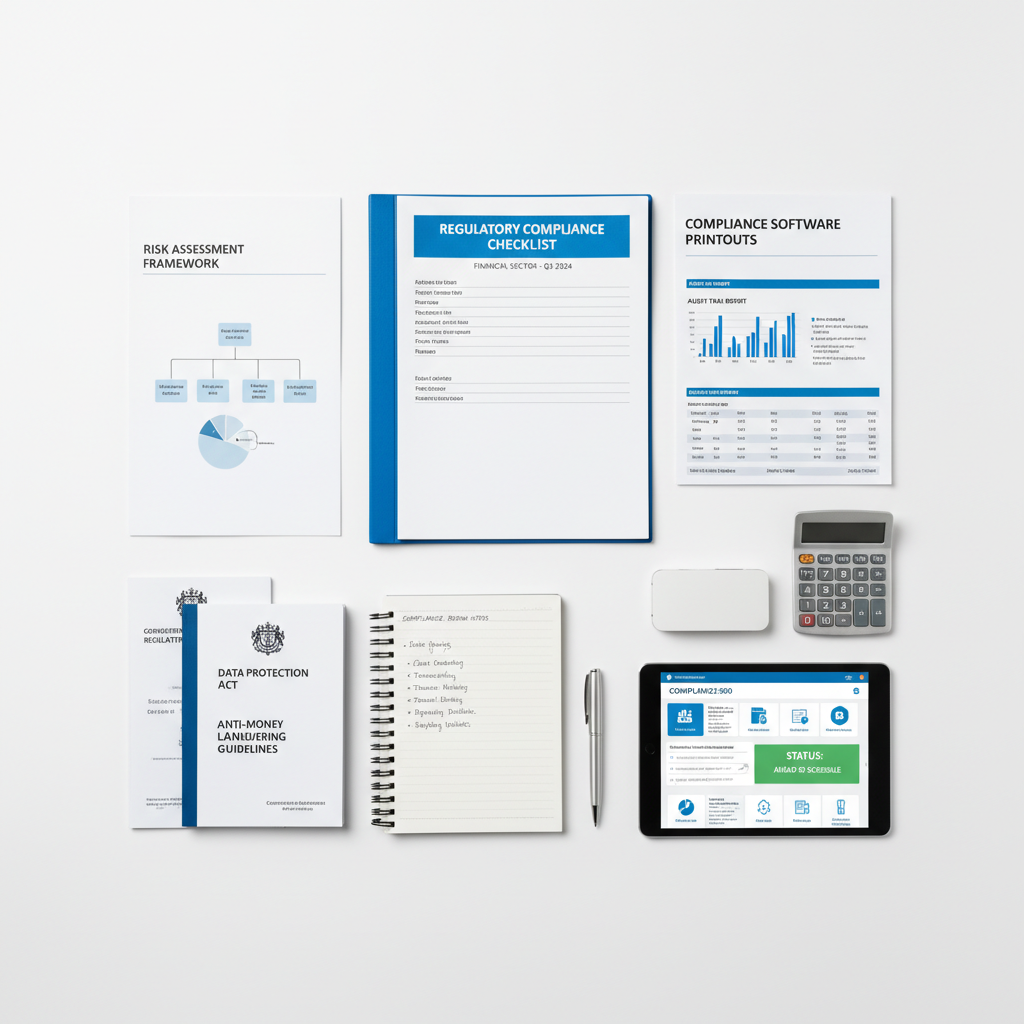
DIY ADA Remodeling: Pros and Cons
Pros
One of the main advantages of DIY remodeling is cost savings. By purchasing materials and handling labor yourself, you can significantly reduce expenses. Additionally, DIY projects allow for a personal touch, enabling you to tailor the space to your specific preferences and needs.
Cons
However, the downside to DIY remodeling includes the potential for errors, especially regarding ADA compliance. Lack of experience can lead to mistakes that might need professional correction. Moreover, DIY projects can be time-consuming, requiring significant effort and dedication.
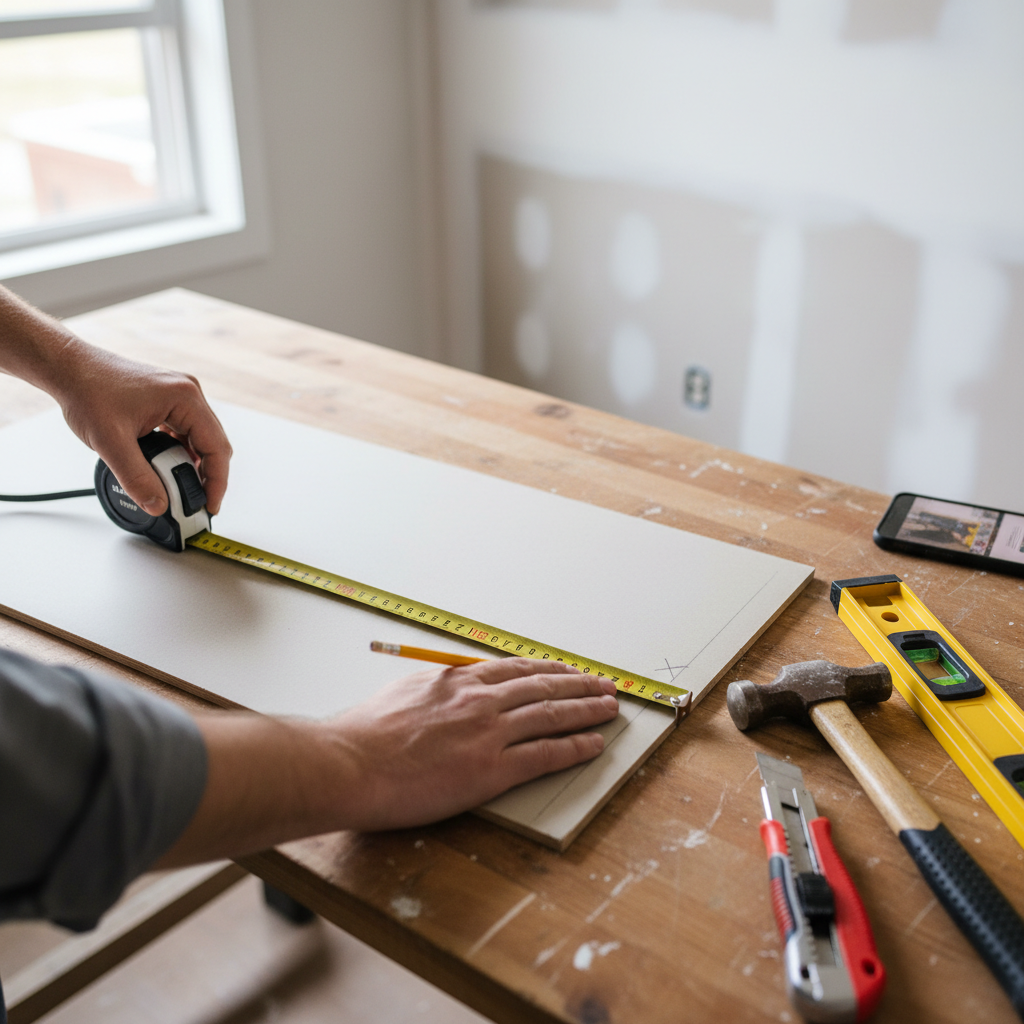
Professional ADA Remodeling: Pros and Cons
Pros
Hiring a professional ensures that the remodeling will meet all ADA standards. Professionals are experienced and equipped with the necessary tools and knowledge to complete the project efficiently. This peace of mind is invaluable, particularly for complex renovations.
Cons
The main drawback is the cost. Professional services can be expensive, but this investment often pays off in quality and compliance. Additionally, working with a professional might limit your input on design choices, though many contractors are open to collaboration.
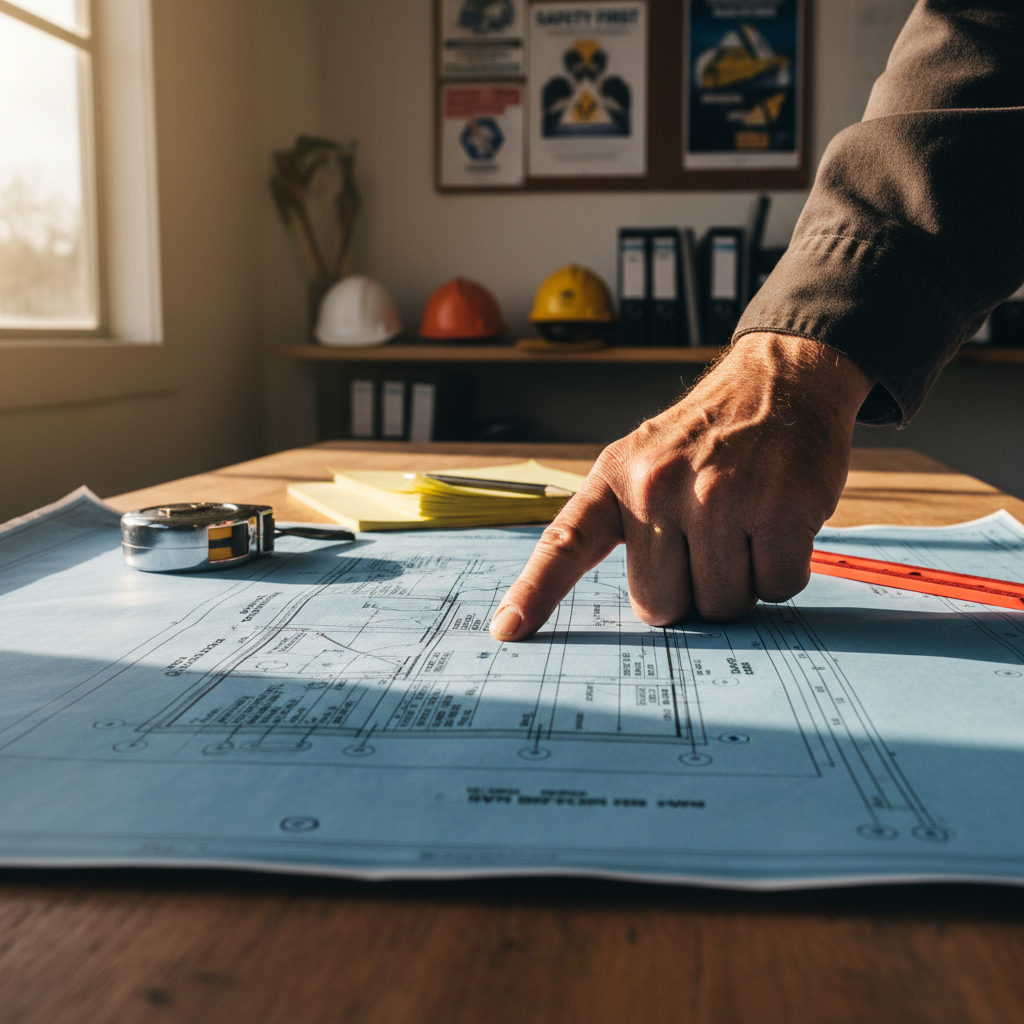
Making the Right Choice
Deciding between DIY and professional remodeling depends on several factors, including your budget, time availability, and confidence in handling the project. For minor adjustments, a DIY approach might suffice. However, for extensive renovations, especially those involving structural changes, hiring a professional is often the safer choice.
Consider creating a list of priorities and constraints.
- What is your budget?
- How much time can you dedicate to the project?
- Do you have the necessary skills and tools?
- What are the potential risks of non-compliance?
The Importance of Planning
Regardless of your choice, comprehensive planning is essential. Detailed plans will help ensure that the project stays on track and within budget. Consider consulting with a professional even if you opt for a DIY approach, as they can provide valuable insights and guidance.
Ultimately, whether you choose to DIY or hire a professional, the goal is to create a space that is both functional and accessible for everyone. With careful consideration and planning, you can achieve an ADA-compliant space that meets your needs.