
DIY Bathroom Safety: Simple Steps to Enhance Accessibility


Understanding the Importance of Bathroom Safety
Bathrooms can be one of the most hazardous areas in a home, especially for individuals with mobility challenges. Slippery surfaces, hard fixtures, and confined spaces can increase the risk of accidents. Enhancing bathroom safety not only prevents injuries but also promotes independence and peace of mind.
Simple DIY modifications can greatly improve accessibility without requiring extensive renovations. Whether you’re assisting an elderly family member or preparing your home for aging in place, these steps can make a significant difference.
Install Grab Bars
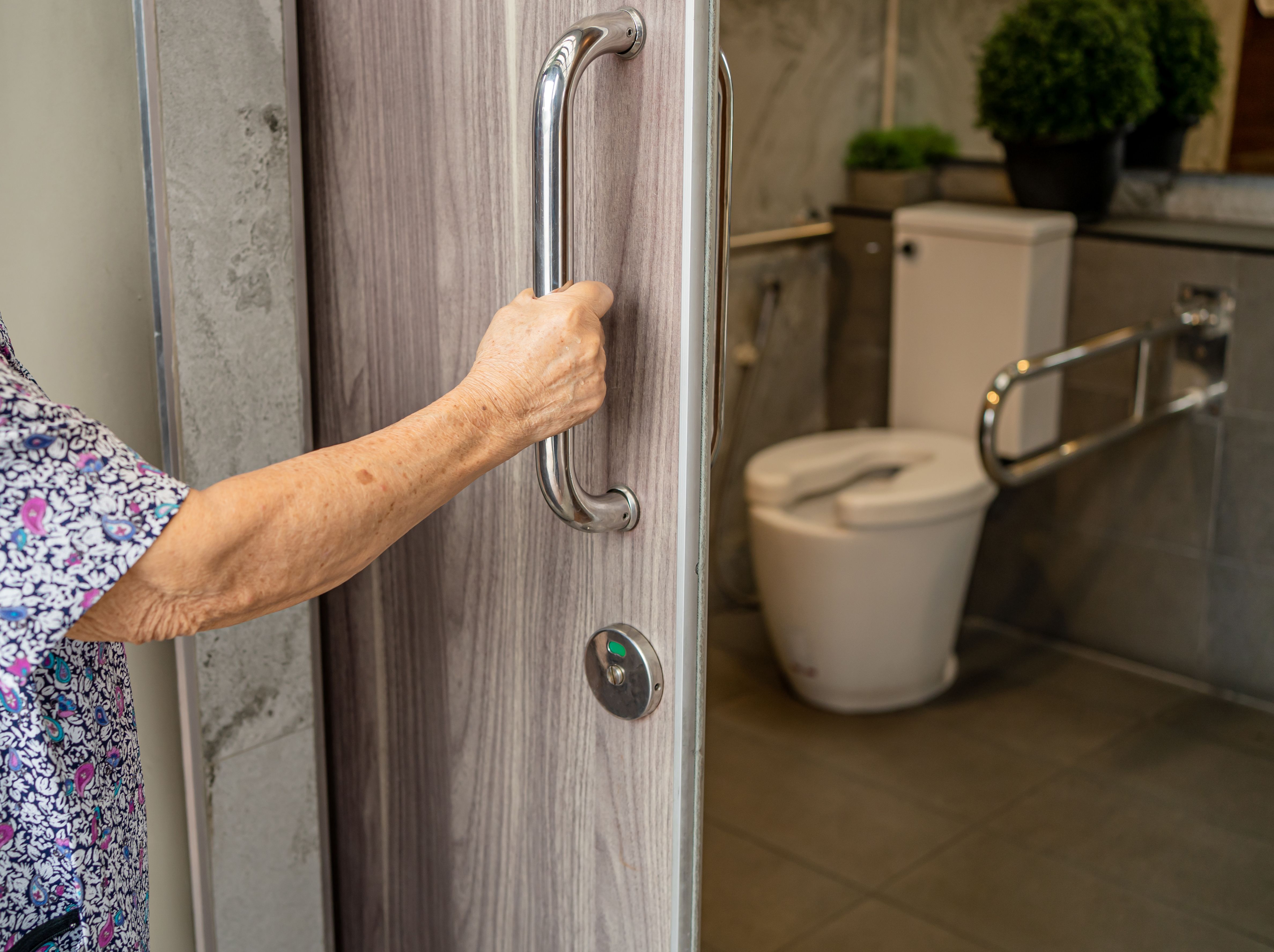
Grab bars are essential for providing stability and support. They should be strategically placed near the toilet, shower, and bathtub. Ensure that the grab bars are securely fastened and can support a person's weight.
When installing grab bars, it’s important to anchor them to the wall studs to ensure maximum strength. If you’re uncertain about installation, consider consulting a professional for assistance.
Use Non-Slip Mats and Rugs
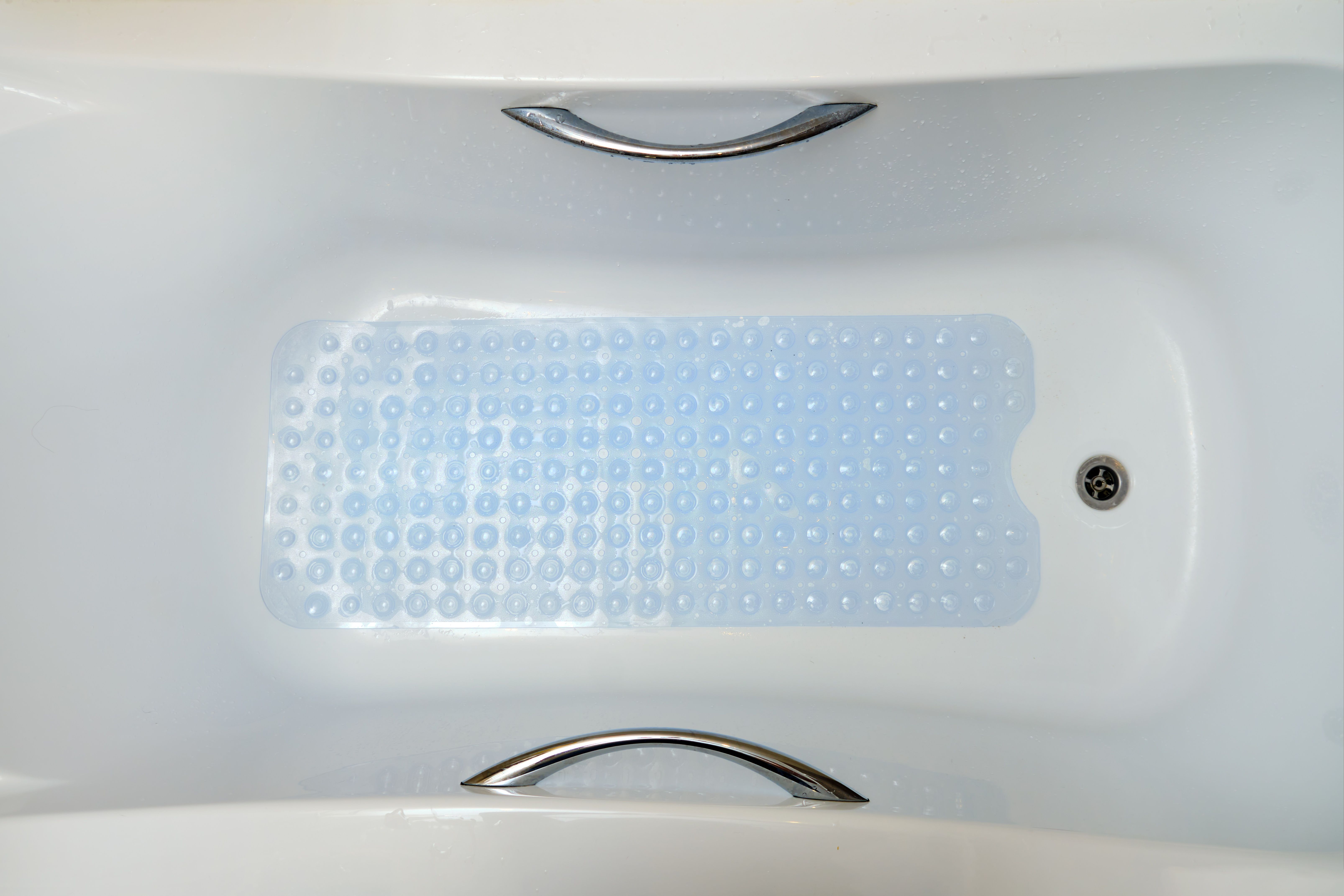
Slippery floors are a common cause of falls. To mitigate this risk, place non-slip mats in the shower and bathtub. Additionally, use rugs with non-slip backing on the bathroom floor to provide extra traction.
Regularly check these mats and rugs to ensure they remain in good condition. Replace them if they show signs of wear or lose their grip.
Adjust Water Temperature
Hot water can cause burns, so it’s crucial to adjust the water heater to a safe temperature. Set the thermostat to no more than 120°F (49°C) to prevent scalding.
Consider installing anti-scald devices on faucets and showerheads. These devices automatically regulate the water temperature, offering an additional layer of protection.
Improve Lighting
Proper lighting is essential for preventing accidents. Ensure that the bathroom is well-lit, especially during nighttime. Install bright, energy-efficient LED bulbs to illuminate the space effectively.
For added convenience, consider installing motion-sensor lights. These lights automatically turn on when someone enters the room, providing instant visibility.
Opt for a Handheld Showerhead
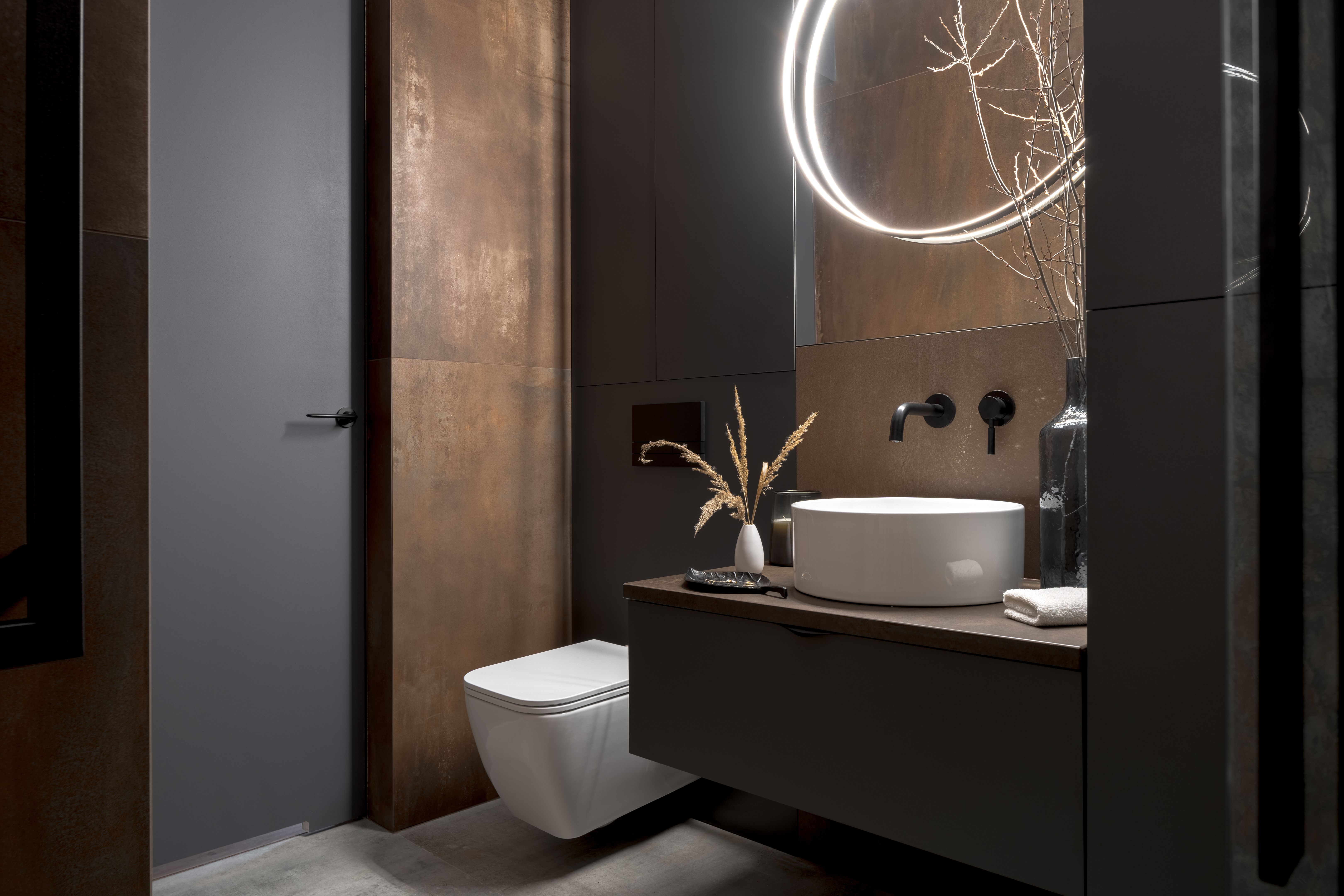
A handheld showerhead offers flexibility and ease of use, especially for those with limited mobility. It allows individuals to control the direction and flow of water, making showering safer and more comfortable.
When installing a handheld showerhead, ensure that the hose is long enough to reach all necessary areas. This adaptability can significantly enhance the bathing experience.
Consider a Shower Chair or Bench
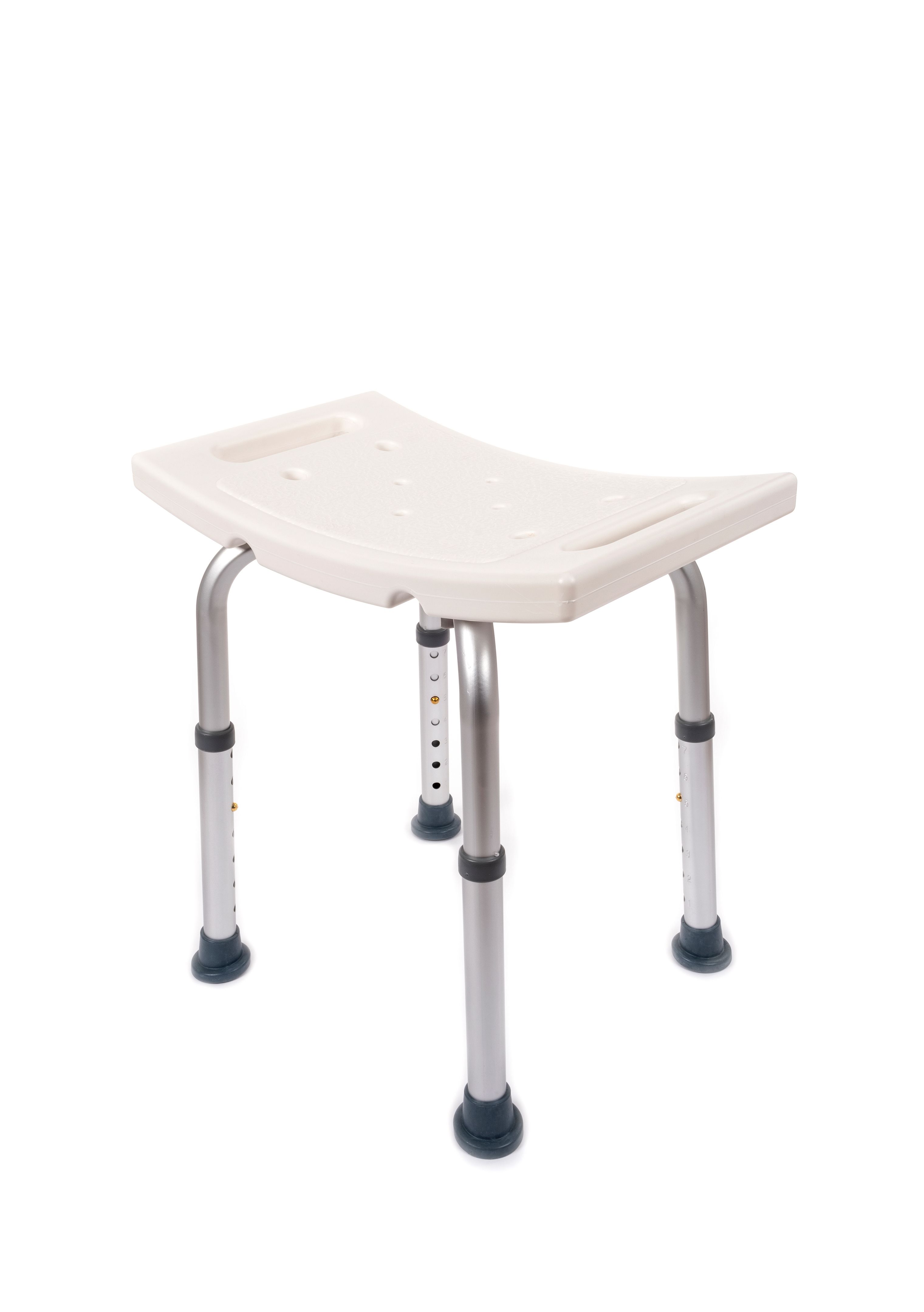
For added stability, consider using a shower chair or bench. These seating options provide support and comfort, reducing the risk of slips and falls in the shower.
Ensure that the chair or bench is water-resistant and has non-slip feet. Regularly check for any signs of wear and replace them as needed to maintain safety.
Final Thoughts
Enhancing bathroom safety through DIY methods is both practical and effective. By implementing these simple steps, you can create a safer environment that promotes accessibility and independence for everyone. Regularly assess the bathroom for any potential hazards and make adjustments as needed to maintain a secure space.