
Debunking Myths About ADA Remodeling Costs


Understanding ADA Remodeling Costs
When considering an ADA (Americans with Disabilities Act) remodel, many homeowners and business owners often worry about the costs involved. It's a common misconception that making a space accessible is prohibitively expensive. However, understanding the true costs and benefits can help dispel this myth.
Myth 1: ADA Remodeling Is Too Expensive
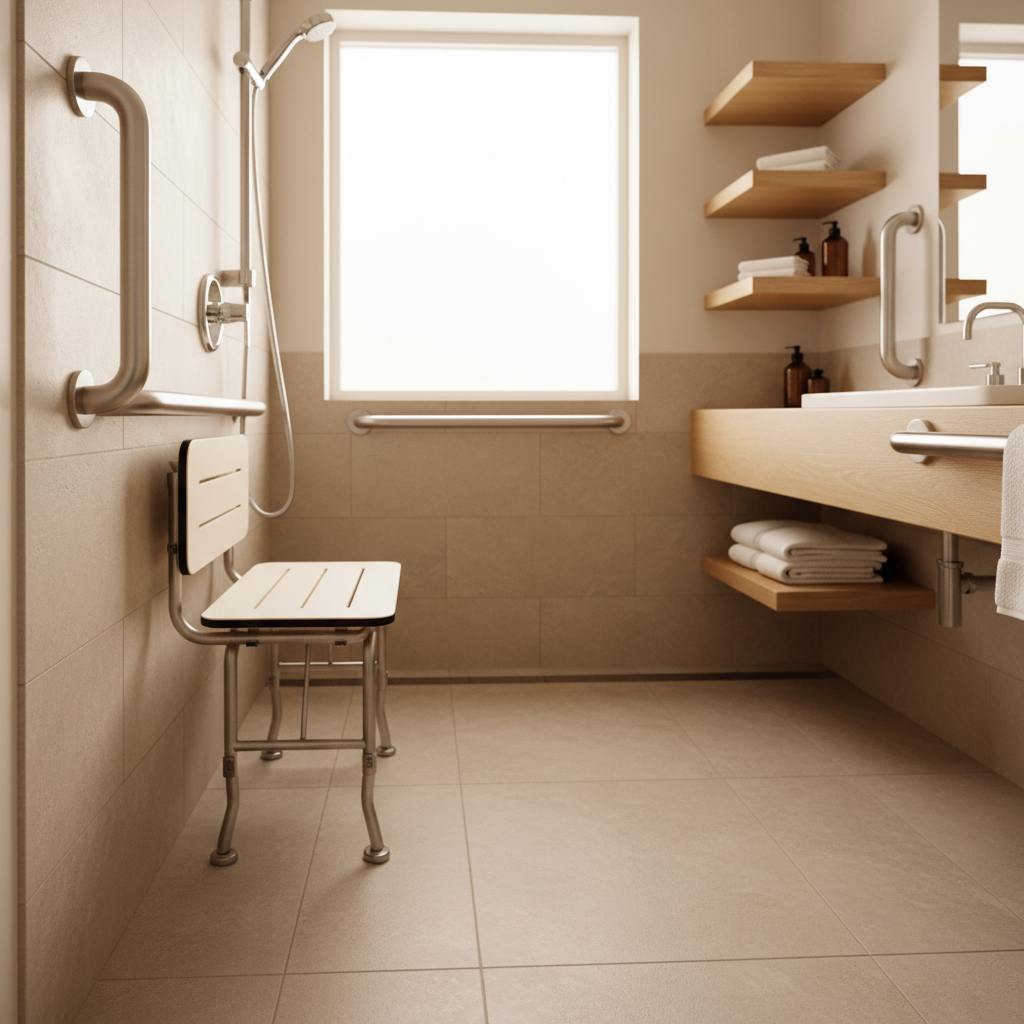
One of the most pervasive myths is that ADA-compliant remodeling is outrageously costly. While there can be significant expenses involved, many solutions are surprisingly affordable. In fact, some modifications may be as simple as installing grab bars or adjusting the height of countertops.
It's important to remember that the cost of an ADA remodel often depends on the specific needs of the individual and the existing condition of the space. A tailored approach can ensure that the remodel is both cost-effective and meets the necessary accessibility standards.
Myth 2: Only New Buildings Can Be ADA Compliant
Another misconception is that only new constructions can be ADA compliant. The truth is, older buildings can be remodeled to meet ADA standards without extensive demolition or reconstruction. Simple adjustments like widening doorways or adding ramps can make a significant difference.
Moreover, tax incentives and grants are available to help offset the costs of ADA remodeling, making it more accessible for businesses and homeowners alike. These financial aids can significantly reduce the overall expense and encourage more property owners to invest in accessibility improvements.
Myth 3: ADA Compliance Only Benefits a Small Group
Some believe that ADA compliance is only necessary for a small segment of the population. However, creating accessible spaces benefits everyone, including the elderly, parents with strollers, and individuals with temporary injuries. An inclusive environment enhances the overall functionality and appeal of any space.

Furthermore, businesses that invest in ADA remodeling often see a return on their investment through increased patronage from individuals who appreciate the accessible environment. In the long run, making these changes can boost customer loyalty and satisfaction.
The Long-Term Benefits of ADA Remodeling
Investing in ADA remodeling not only improves accessibility but also adds value to a property. A well-designed, accessible space can enhance the marketability of a home or business, making it more attractive to a broader range of potential buyers or clients.
In conclusion, the myths surrounding ADA remodeling costs can be easily debunked with accurate information and careful planning. By understanding the true expenses and benefits, property owners can make informed decisions that promote inclusivity and accessibility for all.