
Debunking Myths About ADA Bathroom Remodeling


Understanding ADA Bathroom Remodeling
When it comes to remodeling a bathroom to comply with the Americans with Disabilities Act (ADA), there are several misconceptions that often deter homeowners from taking the plunge. These myths can lead to confusion and missed opportunities for creating a functional and inclusive space. In this post, we aim to debunk some of the most common myths surrounding ADA bathroom remodeling.
Myth 1: ADA Compliance Equals High Costs
One of the biggest myths is that ADA-compliant remodeling is prohibitively expensive. While it's true that certain modifications can add to the cost, there are many ways to make a bathroom accessible without breaking the bank. Simple changes, like installing grab bars or widening doorways, can be affordable and significantly enhance accessibility.
Moreover, there are grants and tax incentives available to help offset the costs of ADA renovations. By exploring these options, you can create a budget-friendly plan that meets your needs.
Myth 2: ADA Bathrooms Are Only for Public Spaces
Another common misconception is that ADA-compliant bathrooms are only necessary for public buildings. In reality, creating an accessible home environment can greatly benefit individuals with mobility challenges, allowing them to live more comfortably and independently. ADA guidelines can be adapted to fit residential spaces, ensuring both functionality and style.
Myth 3: Accessibility Compromises Style
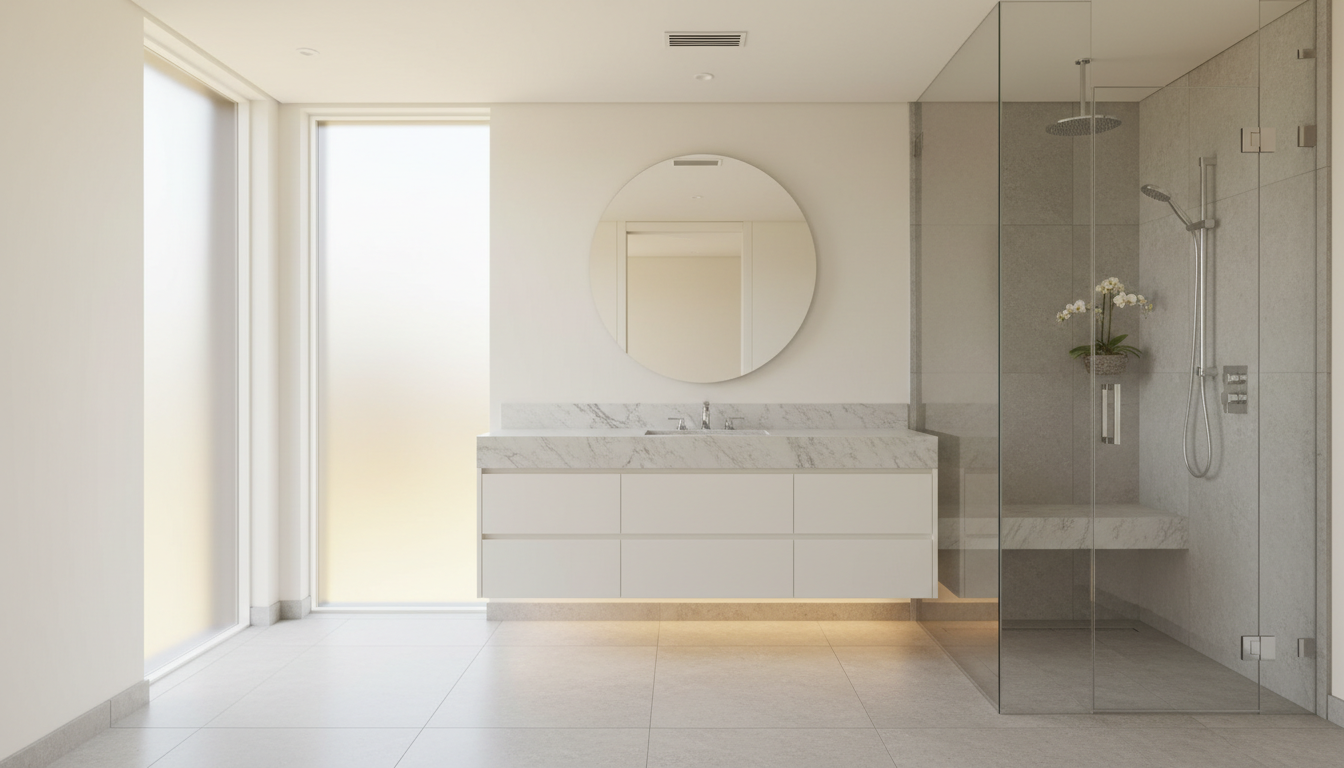
Many people believe that incorporating ADA features will make their bathroom look institutional or unattractive. However, modern design solutions offer a wide range of stylish options that can seamlessly blend with any decor. From sleek grab bars to elegant walk-in showers, accessibility features can enhance the overall aesthetic of your bathroom.
Designers and architects are increasingly focusing on creating spaces that are both beautiful and accessible, proving that functionality does not have to come at the expense of style.
Myth 4: Limited Options for Small Bathrooms
Some homeowners worry that small bathrooms cannot be remodeled to meet ADA standards. While space can be a constraint, creative solutions and careful planning can make even the smallest bathrooms accessible. Consider installing corner sinks, sliding doors, or wall-mounted fixtures to maximize space and improve mobility.
Myth 5: ADA Remodeling Is Only for the Elderly
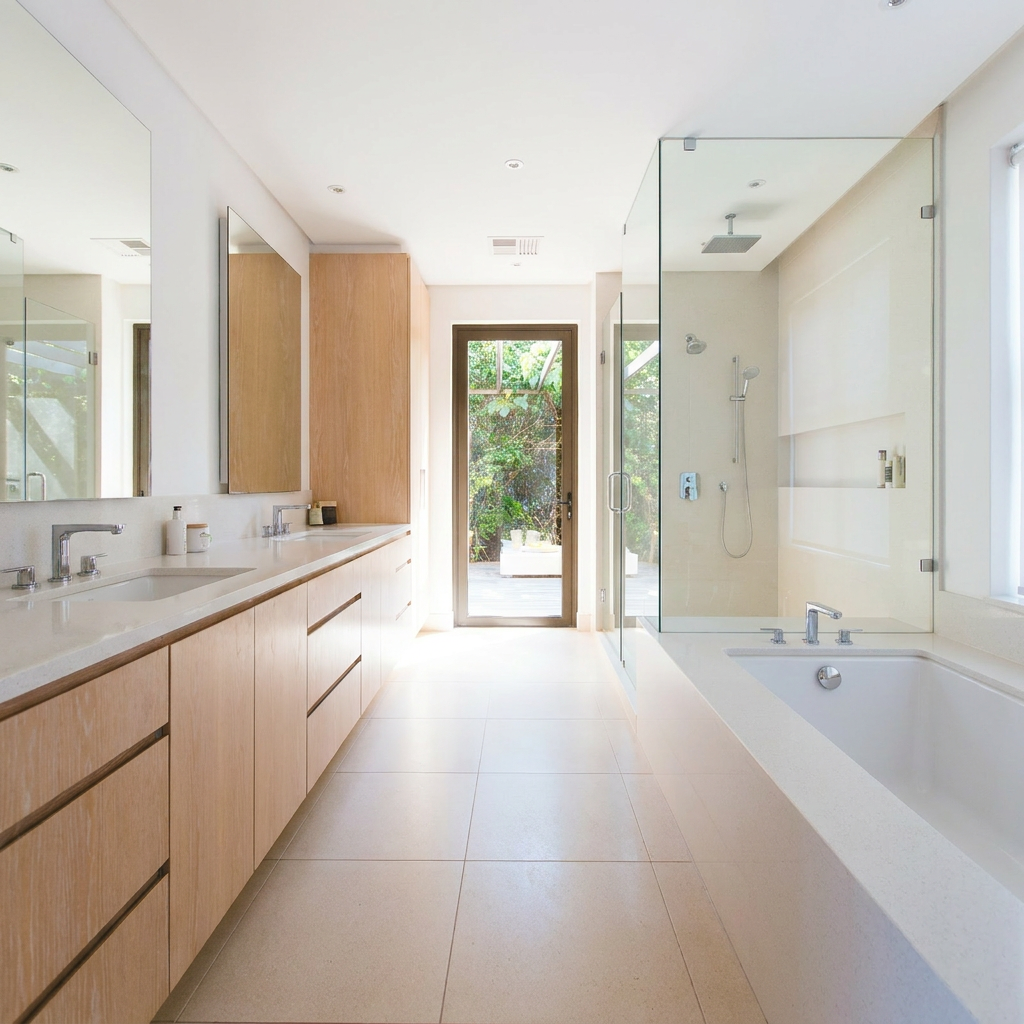
Finally, there's a misconception that ADA bathroom remodeling is only necessary for the elderly. In truth, accessibility features can benefit people of all ages, including individuals with temporary injuries, parents with young children, or anyone who wants to future-proof their home. Implementing these changes can enhance safety and comfort for everyone.
In conclusion, understanding and debunking these myths can open up a world of possibilities for creating a bathroom that is inclusive, stylish, and functional. By dispelling these misconceptions, homeowners can confidently embark on an ADA remodeling project that meets their needs and enhances their quality of life.