
Common Myths About ADA Bathroom Remodeling Debunked


Understanding ADA Bathroom Remodeling
When it comes to ADA bathroom remodeling, numerous myths can deter homeowners from making necessary updates. Understanding these misconceptions is crucial for creating a space that is both functional and compliant with the Americans with Disabilities Act (ADA).
Myth 1: ADA Compliance Is Only for Public Spaces
A common misconception is that ADA compliance is only required for public spaces. While it is true that public and commercial buildings must adhere to ADA standards, private residences can also benefit from accessible design. Homeowners who plan to age in place or accommodate guests with disabilities will find ADA-compliant bathrooms both practical and essential.
Myth 2: ADA Bathrooms Are Institutional and Unattractive
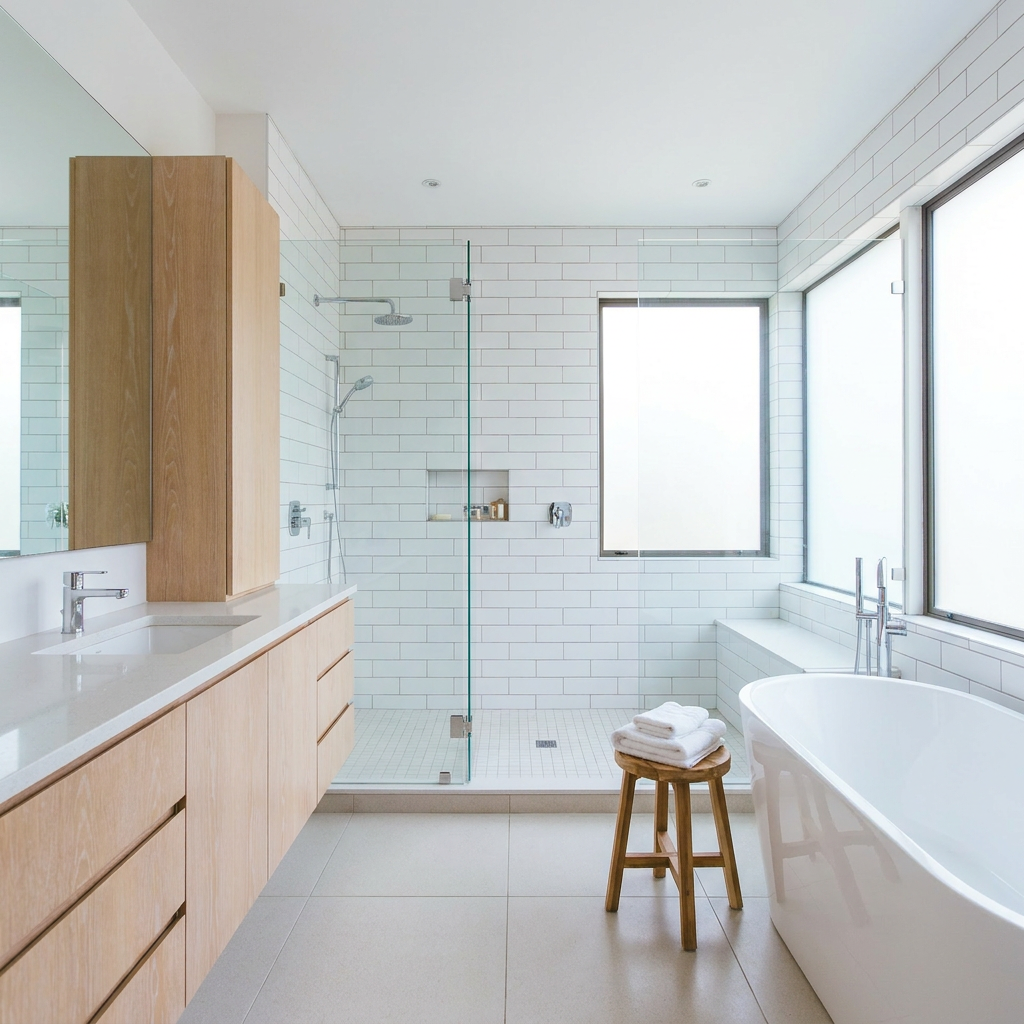
Many people believe that ADA-compliant bathrooms are sterile and unattractive. However, with modern design innovations, ADA bathrooms can be both stylish and functional. Designers now have a plethora of materials and fixtures that combine aesthetics with accessibility, ensuring that style is not sacrificed for functionality.
Addressing Design and Cost Concerns
Another prevalent myth is that ADA bathroom remodeling is prohibitively expensive. While there can be costs associated with specific fixtures and modifications, these updates can often be integrated into a broader remodeling project, making them more affordable over time.
Myth 3: Remodeling for ADA Compliance Is Invasive
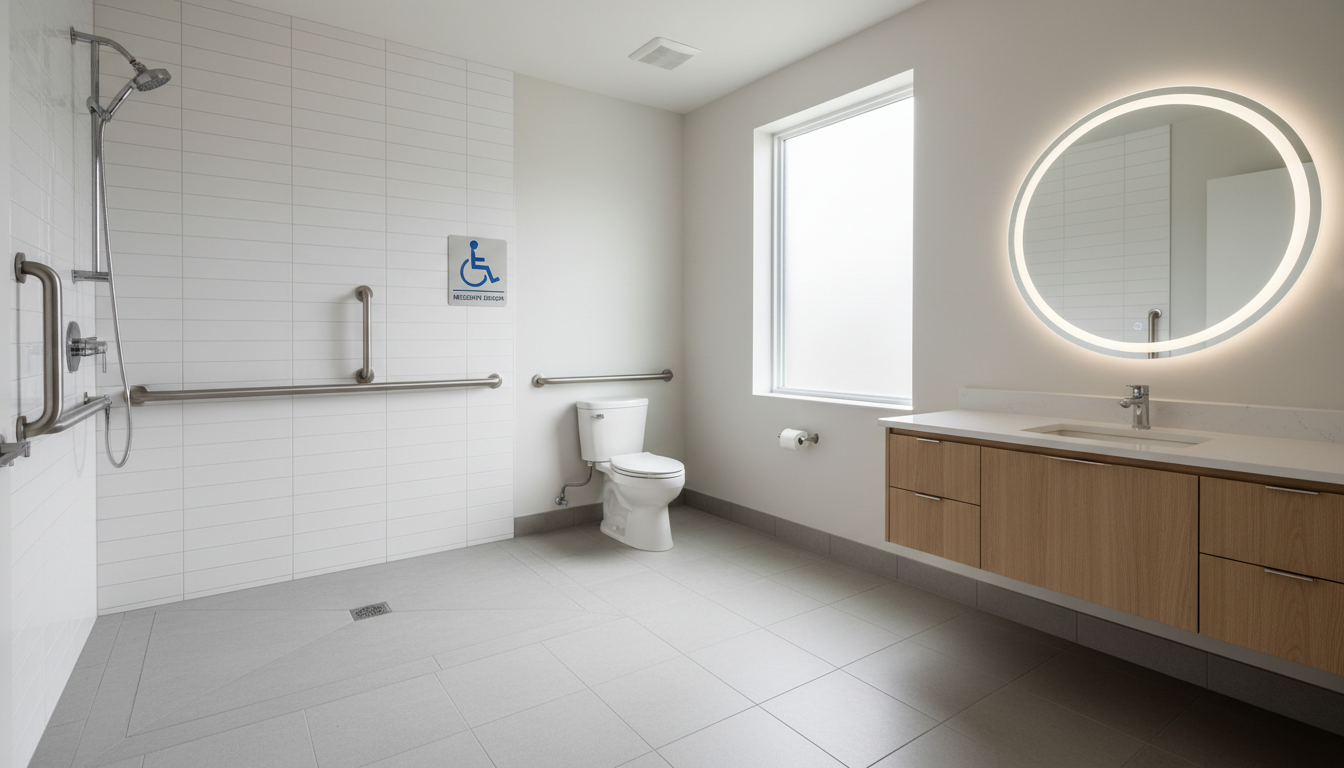
Some homeowners worry that ADA remodeling will require extensive changes to their existing bathroom layout. In reality, many ADA modifications, such as grab bars, adjustable showerheads, and non-slip flooring, can be seamlessly incorporated without major renovations. These updates can be achieved with minimal disruption to your home.
Myth 4: ADA Modifications Are Only for Wheelchair Users
While ADA standards do accommodate wheelchair users, they are designed to improve safety and accessibility for individuals with various mobility challenges. Features like wider doorways, lever-style handles, and walk-in showers benefit a broad range of users, enhancing overall bathroom safety and ease of use.
The Benefits of ADA Bathroom Remodeling
Remodeling a bathroom to meet ADA standards can significantly improve the quality of life for individuals with disabilities and those planning for future accessibility needs. These changes not only increase the safety and usability of the bathroom but can also add value to your home.
By debunking these myths, homeowners can make informed decisions about ADA bathroom remodeling, ensuring their living spaces are inclusive, functional, and beautiful. Whether for personal needs or future planning, ADA compliance is a valuable investment in any home.