
Common Misconceptions About ADA Bathroom Remodeling


Understanding ADA Bathroom Remodeling
When it comes to ADA bathroom remodeling, there are several common misconceptions that can lead to confusion and misinformed decisions. The Americans with Disabilities Act (ADA) provides guidelines to ensure accessibility, but understanding these guidelines can be complex. In this post, we aim to clear up some of the most prevalent myths.
Misconception 1: ADA Compliance Is Only for Public Spaces
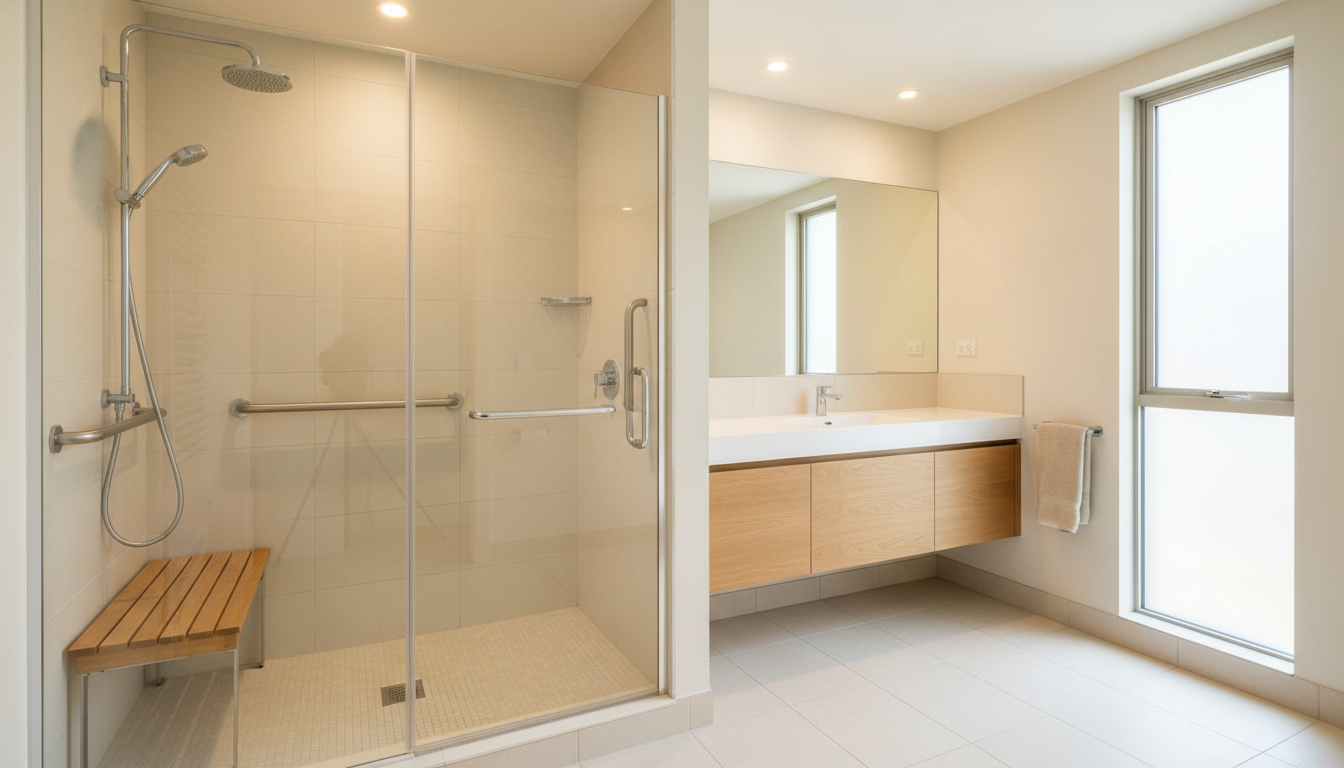
Many people believe that ADA compliance is only necessary for public spaces, but this is not entirely true. While the ADA primarily targets public and commercial facilities, having an ADA-compliant bathroom in a private home can significantly enhance accessibility for individuals with disabilities. It's a step towards creating a more inclusive environment.
Homeowners often opt for ADA-compliant designs to accommodate family members or guests with mobility challenges, making their homes safer and more comfortable.
Misconception 2: ADA Bathrooms Are Unattractive
Another common myth is that ADA bathrooms lack style and aesthetic appeal. However, modern design innovations have made it possible to create beautiful, functional, and ADA-compliant bathrooms. Today, you can find a variety of stylish fixtures and finishes that meet ADA standards without compromising on design.
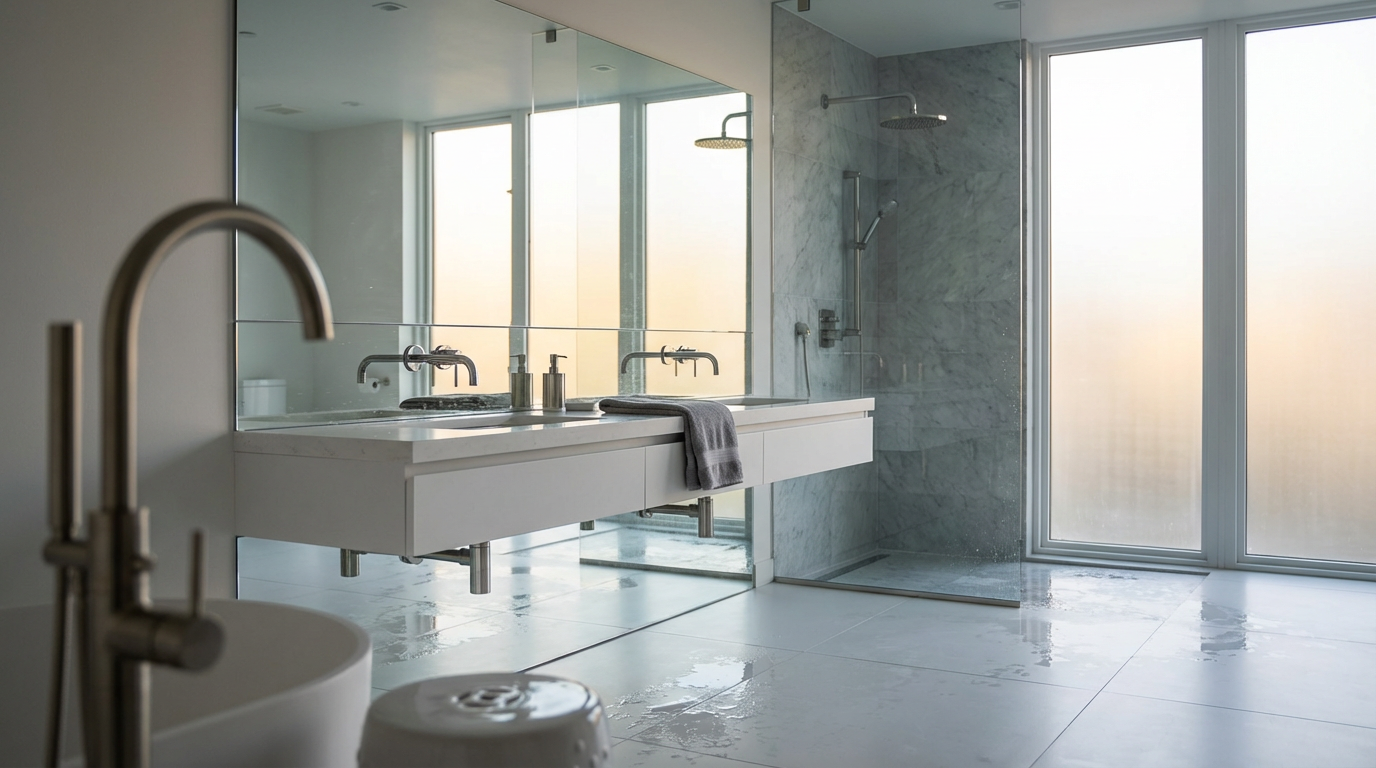
From sleek grab bars to elegant walk-in showers, there are numerous options available to blend accessibility with beauty.
Misconception 3: Remodeling Is Too Expensive
Cost concerns often deter homeowners from considering ADA remodeling. While it’s true that some modifications can be costly, there are many budget-friendly solutions. By prioritizing essential features and incorporating them over time, homeowners can manage expenses effectively.
- Start with crucial elements like grab bars and non-slip flooring.
- Consider gradual upgrades as budget allows.
- Explore financial assistance options or grants for accessibility improvements.
Misconception 4: ADA Guidelines Are Rigid and Inflexible
Some people think that ADA guidelines are extremely rigid, leaving no room for customization. In reality, while there are specific standards to ensure safety and accessibility, there is ample flexibility to personalize the design according to individual needs and preferences.
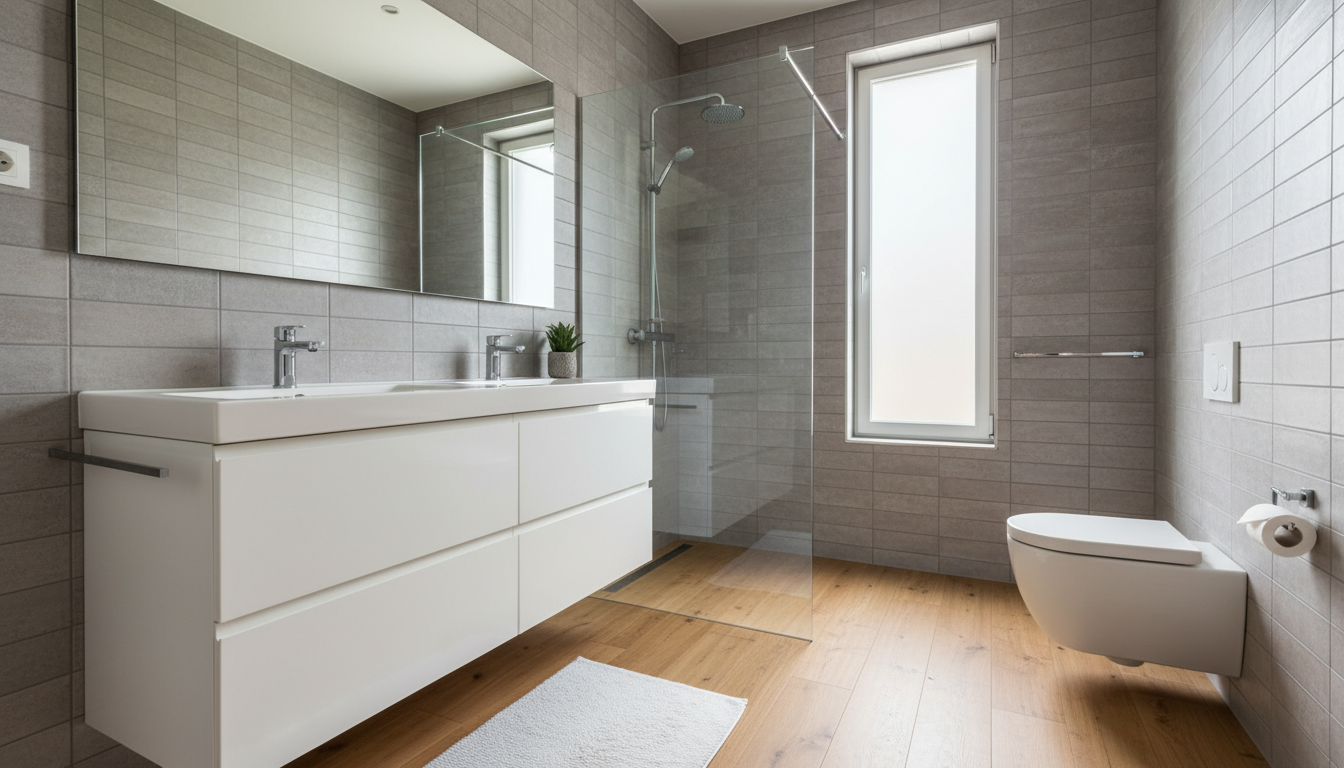
Working with experienced contractors and designers can help in creating a space that is both compliant and tailored to the homeowner’s style.
Conclusion: Embracing Inclusivity
Understanding the realities of ADA bathroom remodeling can help dispel myths and encourage more homeowners to embrace inclusive design. By prioritizing both functionality and aesthetics, it's possible to create a space that is welcoming and accessible for everyone.
Whether for public or private use, ADA-compliant bathrooms not only enhance accessibility but also improve the quality of life for individuals with disabilities, making them a valuable investment in inclusivity.