
Case Study: Transforming a Wonder Lake Home with ADA Remodeling


Introduction to ADA Remodeling
In today's world, ensuring accessibility and inclusivity in home design is not just a trend but a necessity. One standout example of such a transformation is the recent remodeling of a home in Wonder Lake to meet ADA (Americans with Disabilities Act) standards. This case study delves into the process, challenges, and outcomes of this significant project.

Understanding the Homeowner's Needs
The homeowners, a couple with specific mobility needs, sought to transform their residence into a space that would offer comfort and accessibility without compromising on aesthetics. The primary goal was to create a barrier-free environment that would cater to their current and future requirements.
Consultations with the homeowners revealed several key areas needing attention, including the entrance, bathroom, and kitchen. Each space had unique challenges, requiring tailored solutions to ensure ease of access and use.
Entrance Modifications
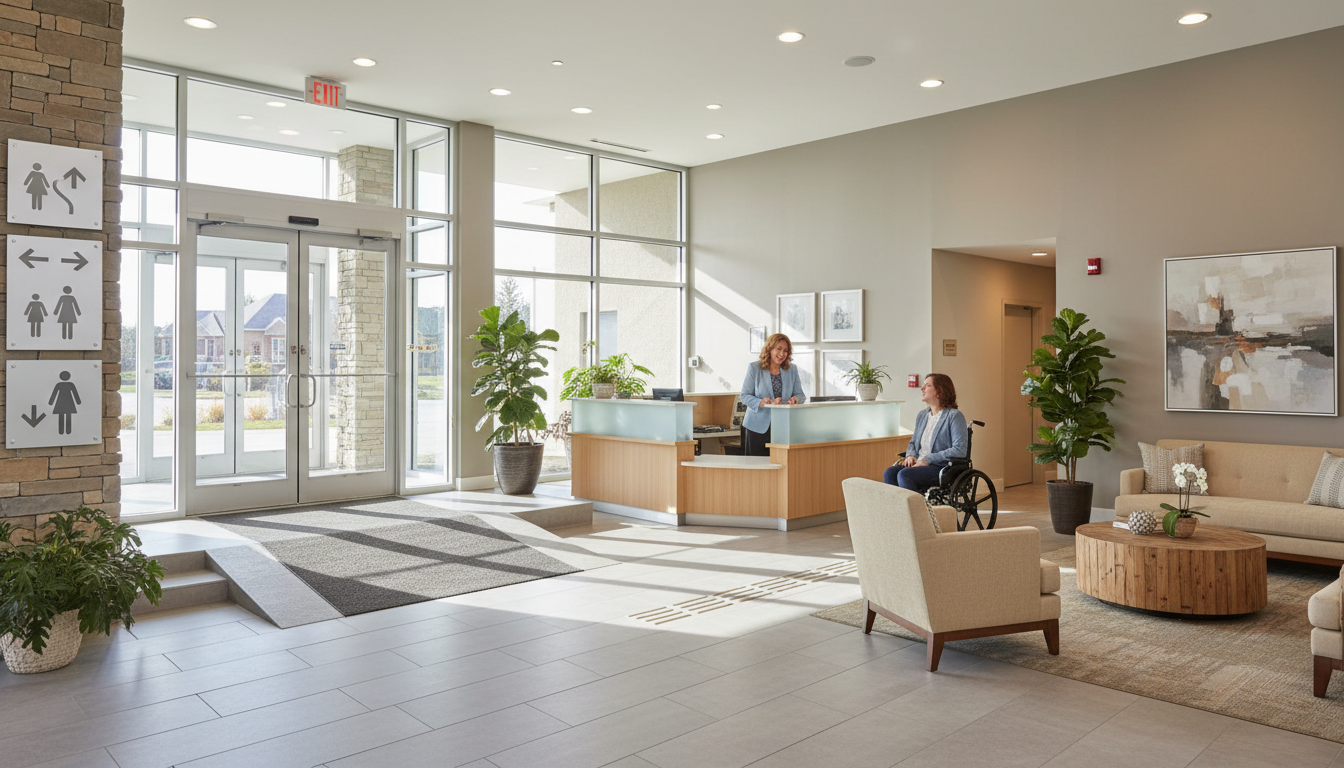
The home's entrance was one of the first areas addressed. Traditional steps were replaced with a gentle slope ramp, making entry seamless for wheelchair access. Additionally, an automatic door system was installed to enable hands-free operation.
Transforming the Interior
Inside the home, the focus shifted to creating open, navigable spaces. Hallways were widened, and doorways were adjusted to accommodate wheelchairs. Flooring choices were made with slip-resistance in mind, ensuring safety without sacrificing style.
Bathroom Renovations
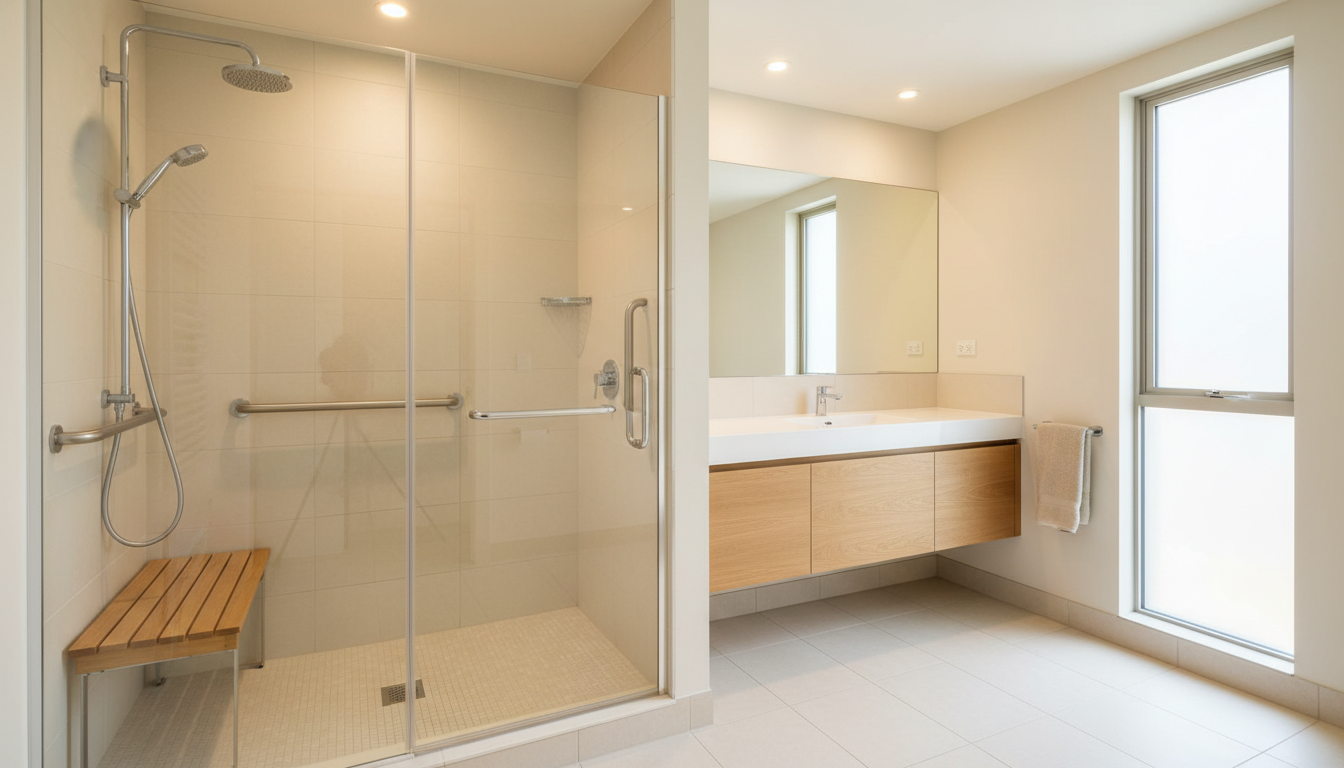
Bathrooms were a critical focus area, requiring significant modifications. The design included a roll-in shower, complete with grab bars and a handheld showerhead. Lowered countertops and accessible storage solutions were incorporated to enhance usability.
Kitchen Accessibility
The kitchen redesign aimed to blend functionality with style. Countertops were adjusted to a suitable height, and pull-out shelves were installed for easy access. Appliances were selected with accessibility features, ensuring the kitchen remained a hub of activity for the homeowners.
Technology Integration
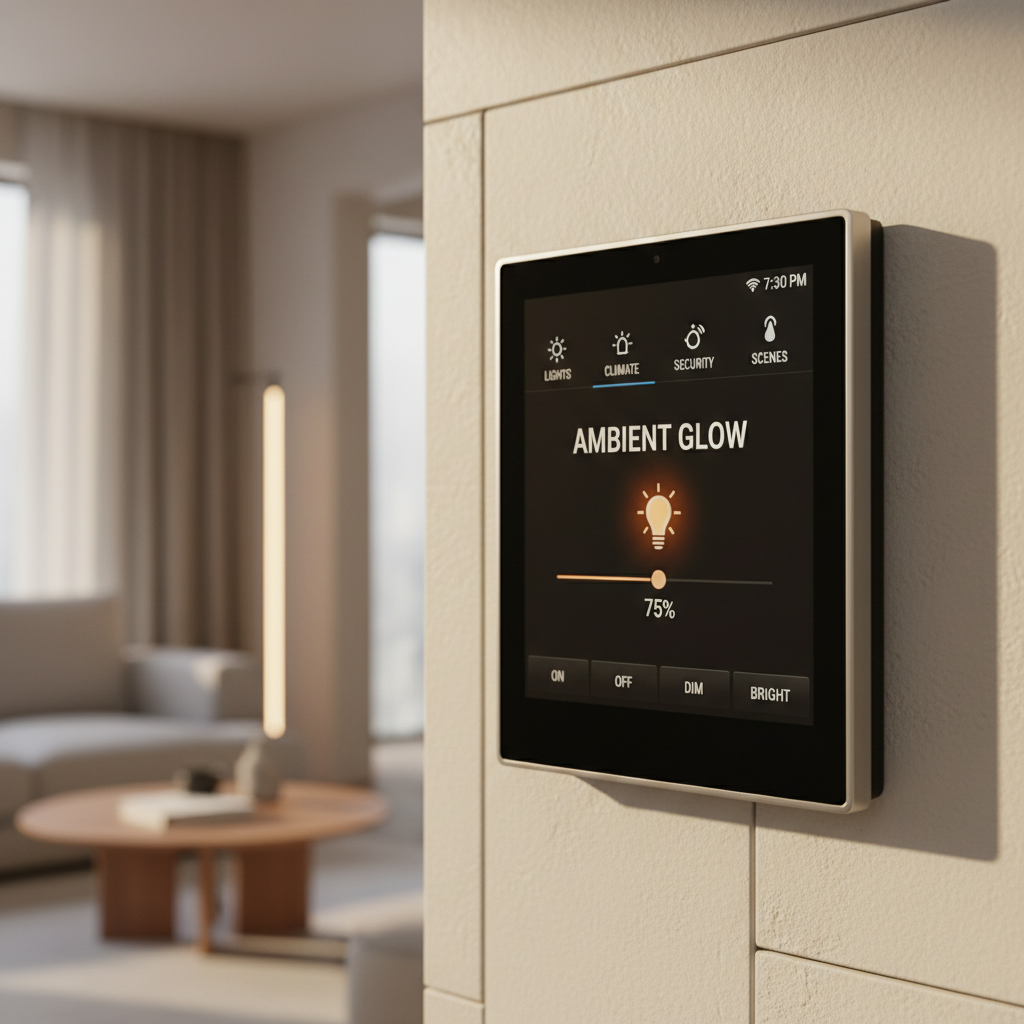
Modern technology played a crucial role in the remodeling process. Smart home systems were introduced to allow voice-activated controls for lighting, temperature, and security, adding an extra layer of convenience and independence for the residents.
Final Thoughts
The Wonder Lake home transformation is a testament to how thoughtful design and technology can come together to create an accessible, beautiful living space. The project not only met the homeowners' needs but also set a benchmark for future ADA remodeling projects.
By focusing on accessibility without compromising aesthetics, this case study demonstrates that inclusive design is both achievable and desirable, paving the way for more inclusive housing solutions.